If you’ve caught your toddler reaching for a tablet before they’ve even had breakfast, you’re not alone. Screens are everywhere, and they’re built to grab a little one’s attention fast. But toddlers aren’t wired to sit still. Their bodies need movement the same way they need sleep and food, and the early years are when that need is strongest.
A toddler who spends more time rolling, climbing, and tumbling than sitting in front of a screen is building something screens simply can’t offer: real physical skill and real confidence in their own body.
Gymnastics gives toddlers a place to do exactly that, in a way that’s structured enough to help them grow but playful enough that it never feels like a chore. Here’s why trading a little screen time for cartwheels might be one of the best swaps you make this year.
Why the Toddler Years Matter So Much for Movement
Between the ages of one and four, a child’s brain is forming new connections at a pace it will never reach again. Every time a toddler climbs onto a step stool, balances on a curb, or tries to jump with both feet at once, their brain and body are working together to build coordination, balance, and body awareness. These skills don’t come from watching a screen. They come from doing.
This is also the window when kids naturally develop what’s called gross motor skills, the big movements that involve their whole body rather than just their fingers on a screen. Running, jumping, climbing, and rolling all fall into this category, and toddler gymnastics gives kids a safe, guided space to practice all of it. Waiting until a child is older to introduce this kind of movement means missing out on a stretch of development that’s genuinely hard to make up for later.
Pediatricians and early childhood specialists have said for years that a toddler’s physical development and their cognitive development aren’t really separate tracks, they move together. A toddler learning to balance on one foot is also learning patience and problem-solving in the process, since their brain has to figure out how to adjust and correct in real time.
That kind of learning happens through repetition and play, not through instruction, which is exactly why structured movement time matters so much before formal schooling even begins.
What Too Much Screen Time Actually Costs a Toddler
It’s easy to hand over a phone during a long errand or a busy afternoon, and no parent needs to feel guilty about that. The concern comes from what happens when screens become the default rather than the exception.
A toddler glued to a screen for hours isn’t practicing balance, isn’t building arm strength, and isn’t learning how their body moves through space. Those are all skills that only develop through actual physical activity.
There’s also the attention piece. Fast-moving, colorful screens train a toddler’s brain to expect constant stimulation, which can make slower, real-world activities feel boring by comparison.
Gymnastics flips that pattern. It gives a toddler something engaging to focus on that also happens to be good for their growing body, so the pull toward the screen naturally gets a little weaker.
Gymnastics Turns Movement Into Something Toddlers Actually Want to Do
The trick with toddlers isn’t convincing them that exercise is good for them. It’s giving them something so fun they don’t even realize they’re building skills. That’s what a good toddler gymnastics class does.
Instead of drills or repetition, toddlers are guided through games, obstacle-style setups, and playful challenges that happen to be building the exact coordination and strength their bodies need.
Coaches who work with this age group understand how short a toddler’s attention span really is, so classes move quickly between activities to keep kids engaged without overwhelming them. A toddler doesn’t need to sit still and listen to instructions for ten minutes straight.
They need to move, try something new, get a little praise, and move on to the next fun thing. That’s exactly the rhythm these classes are built around.
Building Confidence Before They Even Know What Confidence Means
Toddlers can’t tell you they feel proud of themselves, but you can see it in the way they light up after climbing something on their own or landing a jump without falling. That early sense of “I did it” matters more than people realize.
It’s the foundation for the kind of confidence that shows up later in the classroom, on the playground, and in every new situation a child faces as they grow.
A toddler who’s used to trying new physical challenges in a supportive setting learns something important early on: that trying something hard and maybe falling isn’t scary, it’s just part of learning. That mindset carries forward long after they’ve outgrown their first tumbling class.
Social Skills Start Earlier Than Most Parents Expect
Toddlers aren’t exactly known for sharing or taking turns, and that’s completely normal. But a toddler gymnastics class is often one of the first structured settings where they practice these skills in a low-stakes way. Waiting for a turn on the mat, watching another toddler try something first, and being around other kids their age, all lay early groundwork for social development.
Parents are often surprised at how much toddlers pick up just from being around other kids in this kind of setting, even if they’re not directly playing together yet. That parallel exposure, where toddlers do their own thing side by side, is a normal and important stage of early social growth.
What a Good Toddler Program Should Actually Look Like
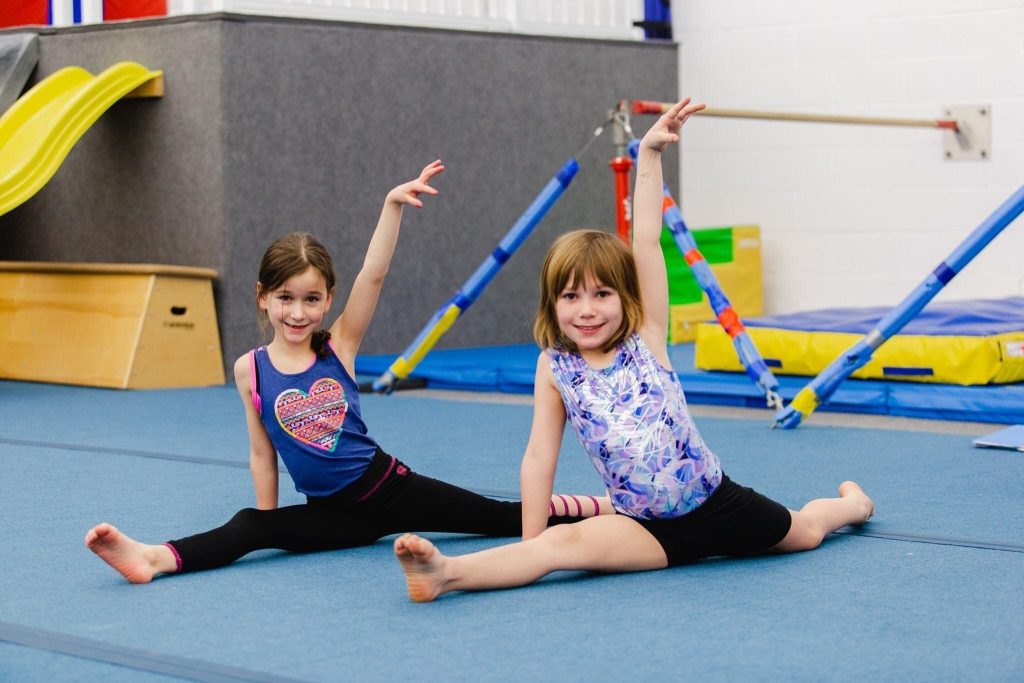
Not every class labeled “toddler gymnastics” is built the same way, so it’s worth knowing what to look for. Small class sizes matter more here than at any other age, since toddlers need close supervision and can’t be expected to follow group instructions the way older kids can. A soft, padded, climate-controlled space also matters, since toddlers move unpredictably and need a safe place to fall.
Look for coaches who are genuinely comfortable with this age group. Working with toddlers takes a different kind of patience than coaching a seven-year-old, and it shows in how a class is run. A good program will feel playful and relaxed rather than rigid, with plenty of encouragement and little pressure.
Making the Swap Without a Meltdown
Cutting back on screen time doesn’t need to be dramatic. Start by replacing one screen session a day with active playtime or a class, and let your toddler get used to the new rhythm gradually. Most toddlers adjust faster than parents expect, especially once they’re having fun and getting attention doing something else.
A weekly toddler gymnastics class is an easy place to start, since it gives your child a set time each week to move, play, and build new skills, without you having to plan the activity yourself. Once toddlers start associating that time with fun rather than obligation, the swap tends to stick.
It also helps to remember that toddlers take their cues from the adults around them. If they see you putting your own phone down to get on the floor and play with them, even for ten minutes, they pick up on that far more than any rule you try to explain to them.
A class outside the home is a great anchor for the week, but the small, everyday moments of unplugged play at home matter just as much in shaping how your toddler relates to movement.
Give Your Toddler a Head Start on Moving, Not Scrolling
The early years set the tone for how a child relates to their own body, and that’s worth protecting from too much screen time. Gymnastics gives toddlers a place to run, climb, tumble, and grow in ways a screen never could, all while having genuine fun along the way.
It’s not about eliminating screens completely, but about making sure movement gets equal time, especially during the years when it matters most for development. If your toddler has been spending more time tapping a screen than exploring the world around them, a class built just for their age group might be exactly the shift they need.
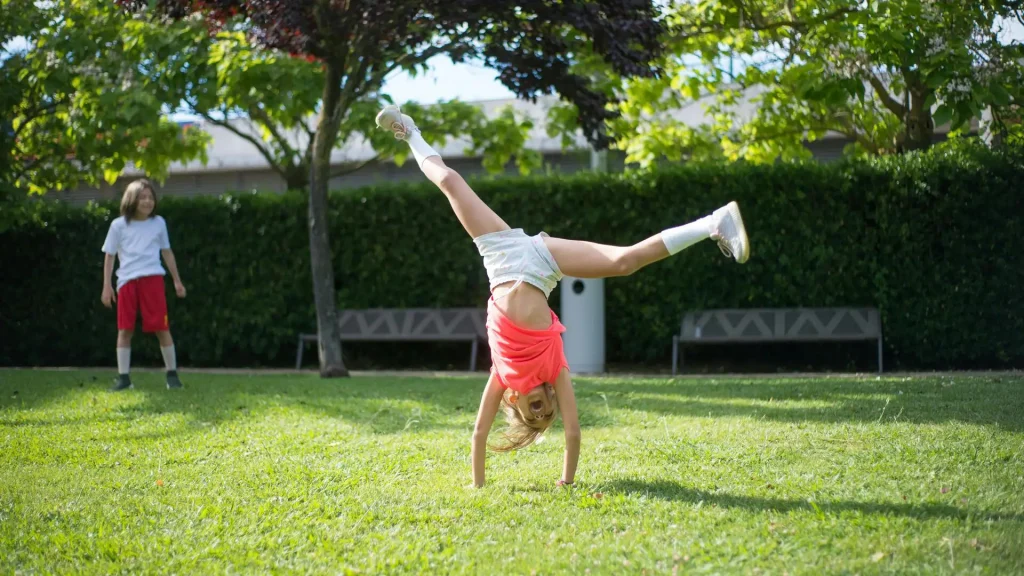
Sometimes the best thing you can hand a toddler isn’t a tablet. It’s the chance to try a cartwheel.