Spring break sounds like a nice idea until the reality sets in: a full week off school, no routine, and a kid who’s used to running around a playground every day suddenly stuck at home with nothing but energy to burn.
Parents either scramble to fill the week or brace themselves for a house that feels like it’s vibrating by day three. A gymnastics camp solves that problem in a way that actually works for active kids, giving them a full week of structured movement, new skills, and friends to burn energy with, all while parents get their days back.
If spring break has been a source of stress rather than a break for your family, here’s a full look at what a gymnastics camp week actually involves and why it might be the easiest plan you make all year.
Why Spring Break Hits Active, High-Energy Kids Especially Hard
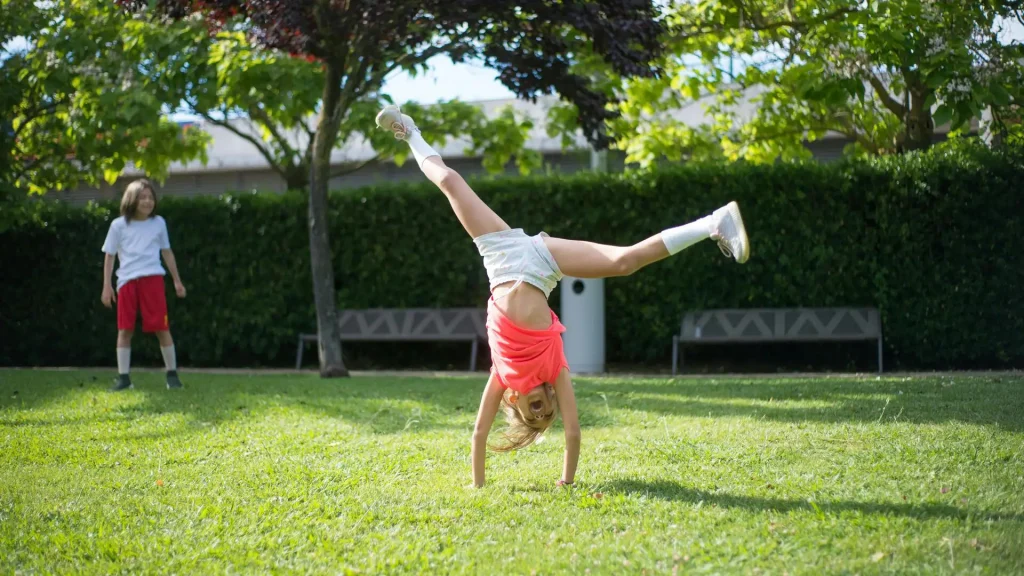
Kids who are used to a busy school day, recess, gym class, walking between periods, tend to feel the sudden stop of a break more than other kids do. Without an outlet for all that built-up energy, a week off can turn into a week of restlessness, boredom, and the kind of behavior that comes from a kid who simply hasn’t moved enough.
Parents often notice their child getting more irritable or harder to manage by the middle of the week, and it’s rarely about attitude. It’s about a body that’s used to activity suddenly not getting any.
A camp built specifically for active movement gives these kids exactly what they’re missing. Instead of trying to keep a naturally energetic child calm and occupied at home, camp channels that energy into something productive, physical, and genuinely fun, which tends to leave both the kid and the parent in a much better mood by the end of the day.
What a Full Day at Gymnastics Camp Actually Looks Like
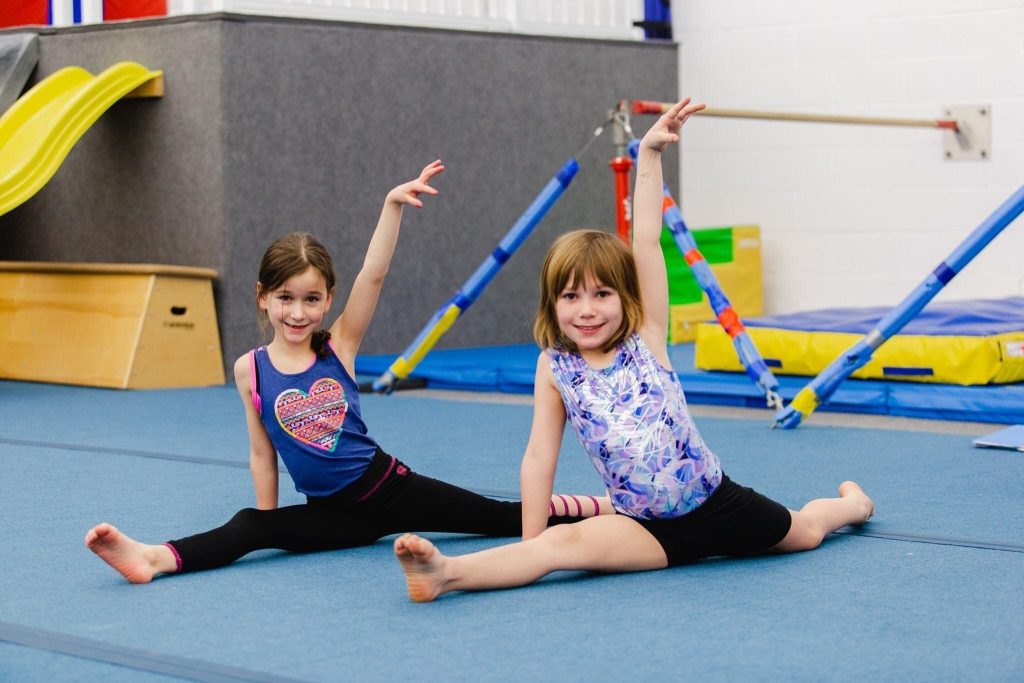
A typical camp day mixes skill-based gymnastics instruction with games, free play, and plenty of variety so kids never spend too long doing any one thing.
Mornings often start with a warm-up and some coached skill work on equipment like bars, beams, and tumble tracks, giving kids a chance to build on techniques in a small-group setting with real coaching attention.
As the day goes on, the schedule usually shifts toward games, open gym time, and other activities that keep the energy high without feeling repetitive. This mix matters for kids at camp, since sitting through hours of the same drill would burn out even the most energetic child.
The variety keeps kids engaged from drop-off to pickup, which is exactly what makes a full week manageable for both the kids attending and the coaches running it.
Skill-Building That Happens Fast Without Feeling Like a Structured Class
One of the underrated parts of camp is how much kids actually improve over the course of a week without it feeling like formal instruction. Because camp runs for multiple consecutive days instead of one class a week, kids get far more repetitions on the skills they’re working on, which speeds up progress in a way a normal weekly schedule can’t match.
A kid who’s been stuck on a skill in their regular class for weeks might land it during camp, simply because they’re practicing it daily instead of once every seven days.
Coaches use this concentrated time well, building on what a child learned the day before rather than needing to re-teach the basics each session the way a weekly class sometimes has to.
The Kind of Friendships That Only Form Over a Full Week Together
There’s something different about the bonds kids build during a week-long camp compared to a weekly class. Spending five days together, working through the same challenges, cheering for each other’s progress, and sharing meals or breaks between sessions tends to create friendships that form faster and run deeper than what usually happens in an hour-long class once a week.
For kids who are naturally more reserved, camp often ends up being the place where they open up the most, since the extended time together gives shy kids more chances to warm up to a group at their own pace.
By the end of the week, it’s common to see kids who started out as strangers leaving camp with new best friends and plans to see each other again.
Why Parents End Up Looking Forward to Camp Week Just as Much
Spring break puts a lot of pressure on parents to fill an entire week of childcare, especially for working families who don’t have the flexibility to take the time off themselves. Camp solves that problem cleanly, giving parents a reliable, full-day option that doesn’t require piecing together babysitters or juggling different plans for each day of the week.
There’s also the peace of mind that comes with knowing your kid isn’t just occupied, but actively benefiting from the time.
Instead of a week of screen time and boredom, camp gives kids a week that builds real skills and leaves them tired out in the best possible way by pickup time, which tends to make the rest of the evening a lot easier for everyone at home.
Who Spring Break Camp Is Actually Built to Serve
Camp isn’t limited to kids who are already deep into gymnastics. Beginners are welcome and often thrive in the camp setting, since the extended time together helps them catch up on fundamentals faster than they might in a once-a-week class.
More experienced kids get plenty of room to push their existing skills further, with coaches adjusting instruction based on where each child is individually rather than running one identical program for the whole group.
This range makes camp a good fit for siblings with different skill levels too, since both a beginner and a more advanced sibling can attend the same week and each get instruction that matches where they actually are.
What to Pack and How to Get Ready for the Week
Getting ready for camp is straightforward, but a little preparation goes a long way toward a smooth week. Comfortable athletic clothing, hair pulled back for anyone with long hair, and a labeled water bottle cover most of what’s needed for a typical day.
Packing a light snack or lunch, depending on the length of the day, keeps energy levels steady for kids who are moving far more than they would during a normal school day.
It also helps to talk with your child ahead of time about what the week will look like, especially if this is their first time attending a full-day camp. Letting them know they’ll be trying new skills, meeting other kids, and moving between different activities throughout the day tends to build excitement rather than nerves, especially for a child who thrives on knowing what to expect.
Booking Your Spot Before the Week Fills Up Completely
Spring break camp tends to fill up fast, since a lot of families are looking for the same kind of solution at the same time of year. Spots are typically limited by the number of coaches available to keep group sizes manageable, which is part of what keeps the coaching quality high throughout the week.
Booking early, ideally as soon as dates are announced, gives your family the best shot at securing a spot before the week sells out.
Full-week and single-day options are usually both available, so families with a partial week of coverage needed can still take advantage of camp without committing to all five days if that’s not what their schedule calls for.
Give Your Active Kid a Spring Break That Actually Works for Everyone
Spring break doesn’t have to be a week of stress, screen time, and a house full of pent-up energy. A gymnastics camp gives active kids exactly what they need: a full week of movement, coached skill-building, and new friendships, while giving parents a break of their own. Whether your kid is already enrolled in classes or has never set foot in a gym before, camp offers a structured, fun way to spend the week that leaves everyone better off by the time spring break ends. If you’ve been dreading how to fill this year’s break, this is the plan that solves it without any extra scrambling on your part.